Where Capture is Used
Capture can be used across a wide range of heating and cooling systems, helping building managers and maintenance teams gain a clearer understanding of system performance.
While every system is different, many of the challenges are surprisingly similar.

Heat Networks
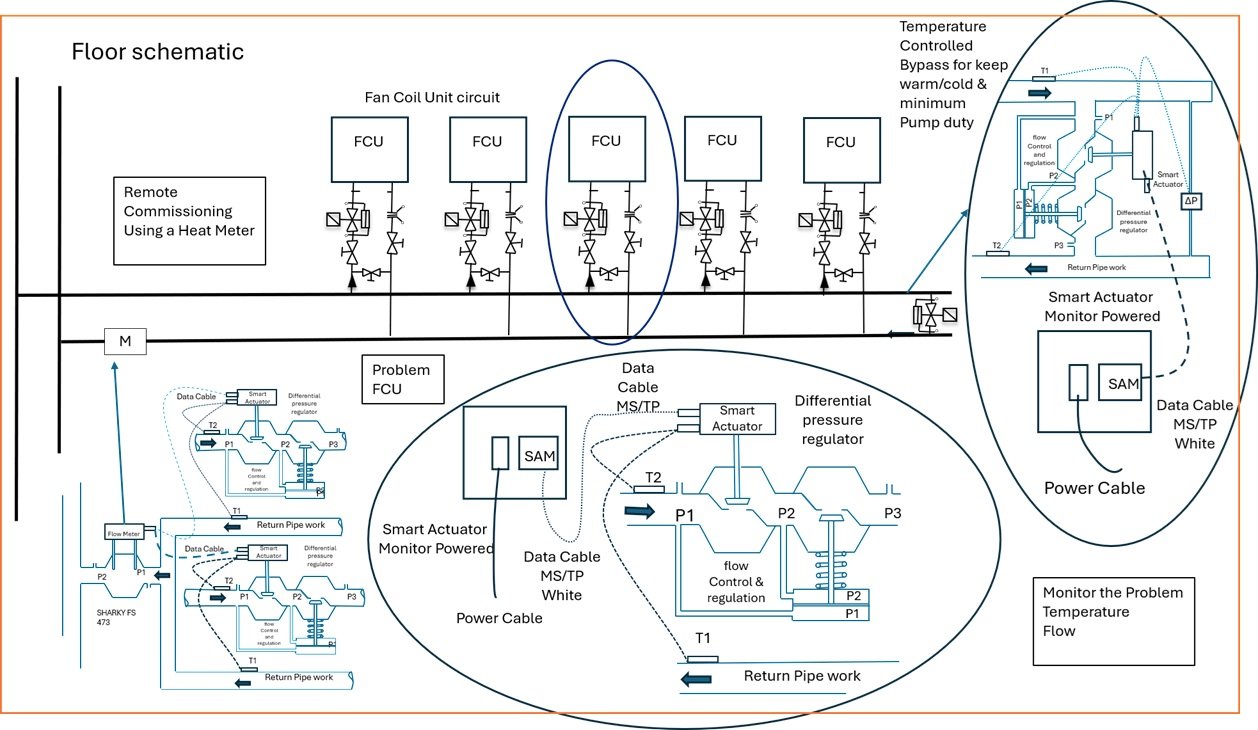
Heat networks are complex systems with many interacting components. When performance issues occur, identifying the cause can be difficult.
Capture helps monitor key operating conditions across the network, providing visibility of temperature, flow and pressure at critical points.
This can help to identify issues such as high return temperatures, uncontrolled bypasses, poor balancing and inefficient system operation.
Plant Rooms
Plant rooms contain many of the assets responsible for generating and transferring energy throughout the building.
Capture can be used to monitor boilers, heat pumps, heat exchangers, thermal stores and associated equipment, providing both live and historic information about system performance.
This allows maintenance teams to review operating conditions over time and investigate issues that may not be obvious during a routine inspection.
Heat Pumps
Heat pump performance is heavily influenced by operating conditions elsewhere in the system.
Issues such as poor flow conditions, high return temperatures and system imbalance can all affect efficiency.
Capture provides visibility of the conditions influencing performance, helping engineers understand how the wider system is impacting heat pump operation.and inefficient system operation.
Heat Exchangers
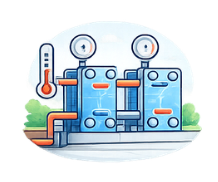
Heat exchangers play a critical role in transferring energy throughout a system.
Monitoring temperature, flow and differential pressure can provide valuable information about performance and help identify issues that may affect efficiency or reliability.
Capture helps make this information easier to access and review.
Terminal Units
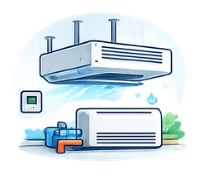
Poorly performing terminal units can contribute to energy waste, comfort issues and wider system inefficiencies.
Capture can be used to monitor terminal units and associated controls, helping engineers to understand how they are performing and whether operating conditions remain within expected parameters.
Supporting HNTAS
The Heating Network Technical Assurance Scheme (HNTAS) is helping to establish higher standards for the design, operation and performance of heat networks.
A key part of this is understanding how systems are performing in practice and being able to identify issues that may affect efficiency, reliability and customer outcomes.
As Capture helps to provide visibility of key operating conditions including temperature, flow and pressure, it allows performance to be reviewed over time and supports a better understanding of system behaviour.
While Capture is not a compliance tool, it can provide valuable information to support organisations working towards HNTAS requirements and performance objectives.
Want to know how to use Smart actuators and PIC valves to meet the requirement of the Heat Network Technical Assurance Scheme? Book a call with our experts.
Ongoing Performance Monitoring
Many issues develop gradually over time.
Capture provides ongoing visibility of system performance, allowing engineers and maintenance teams to review trends, investigate recurring issues and assess the impact of any corrective actions that have been taken.
This helps move investigations beyond assumptions and provides a clearer understanding of what is happening within the system.