Capture helps you to understand what is happening inside your heating and cooling system by monitoring key performance data over time.
Rather than relying on occasional site visits, one off measurements or assumptions about how a system should be performing, Capture provides ongoing visibility of the operating conditions that influence efficiency, performance and reliability.
The Five Step Process:
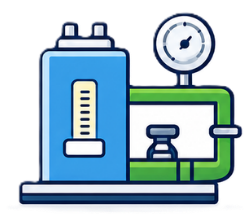
Capture focuses on key energy producing and energy transfer equipment. This can include boilers, heat pumps, heat exchangers, thermal stores, bypasses, terminal units and distribution systems.
By concentrating on critical equipment rather than attempting to monitor everything, Capture helps users focus on the information most likely to explain system behaviour and performance issues.
One of the challenges with heating and cooling systems is that many problems are not constant.
A system may operate correctly for most of the day before performance deteriorates under specific loads or operating conditions.
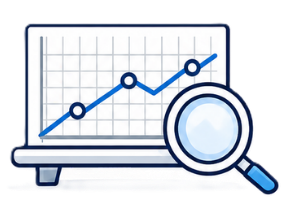
Capture records both live and historic information, allowing performance to be reviewed over hours, days, weeks or months. This makes it easier to identify trends, recurring issues and changes in behaviour that may otherwise go unnoticed.
Once a potential cause has been identified, corrective action can be taken.
This may involve balancing adjustments, valve replacements, equipment optimisation, maintenance activity or further investigation.
Because Capture continues to monitor performance after changes have been made, the impact of those actions can also be reviewed. This provides confidence that the issue has been addressed and helps identify whether any further action is required.
Using Capture
Capture is not intended to replace engineering knowledge or experience. It is designed to support it.
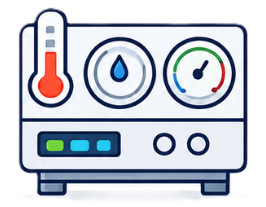
By providing visibility of temperature, flow and pressure across key areas of a system, Capture helps engineers and maintenance teams move from assumption to evidence.
The result is a clearer understanding of system performance, faster diagnosis of issues and greater confidence when making maintenance and operational decisions.